With November comes ‘All saints day’ and ‘All souls’ day’ — declared holidays to allow Filipinos to properly pay respect to their dead. The mass exodus of Filipinos to their provincial homes at this time of the year created a semi-deserted city in the metropolis. Commercial stores are festooned with ornaments that borrow from the Halloween tradition of other countries. The object is to queer these spaces of commerce with ‘scary’ representations that touch on the occult and witchcraft — things that avid urban Filipinos are fascinated with.
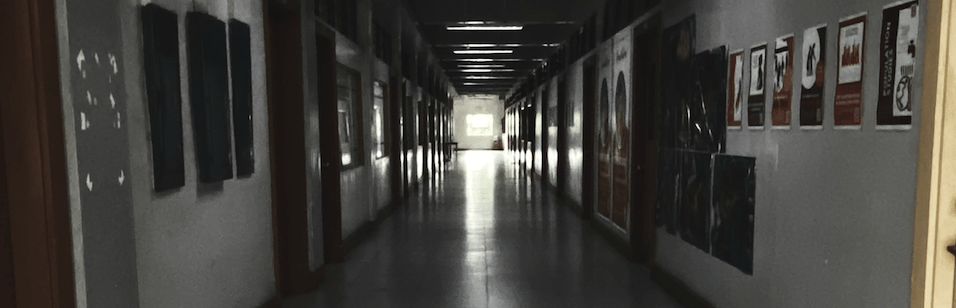
So how do we depict the uncanny, the unseen, the not-quite-there? Based on cartographic data gathered from the Geography 1 classes of Fernand Francis Hermoso, haunted spaces come to life with stories that fascinate precisely because they live in the realm of liminality. For academic year 2016-2017, Hermoso, an assistant professor at the UP Department of Geography challenged his students to capture the spooky and the haunted in UP campus. Data were gathered and obtained from written accounts in books, stories emanating from social media, and interviews of security guards and maintenance personnel who were stationed in these buildings. The triangulation of data was necessary to validate stories told from the ground and engender claims of spectral sightings in buildings.
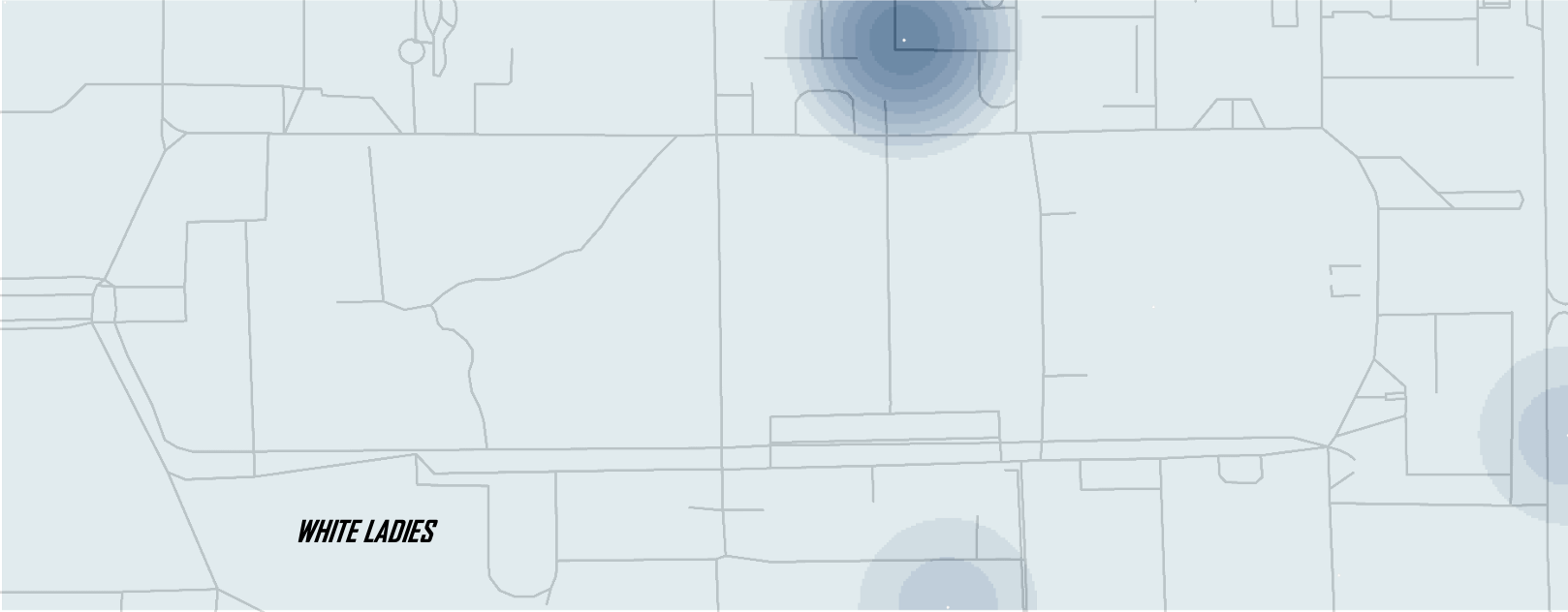
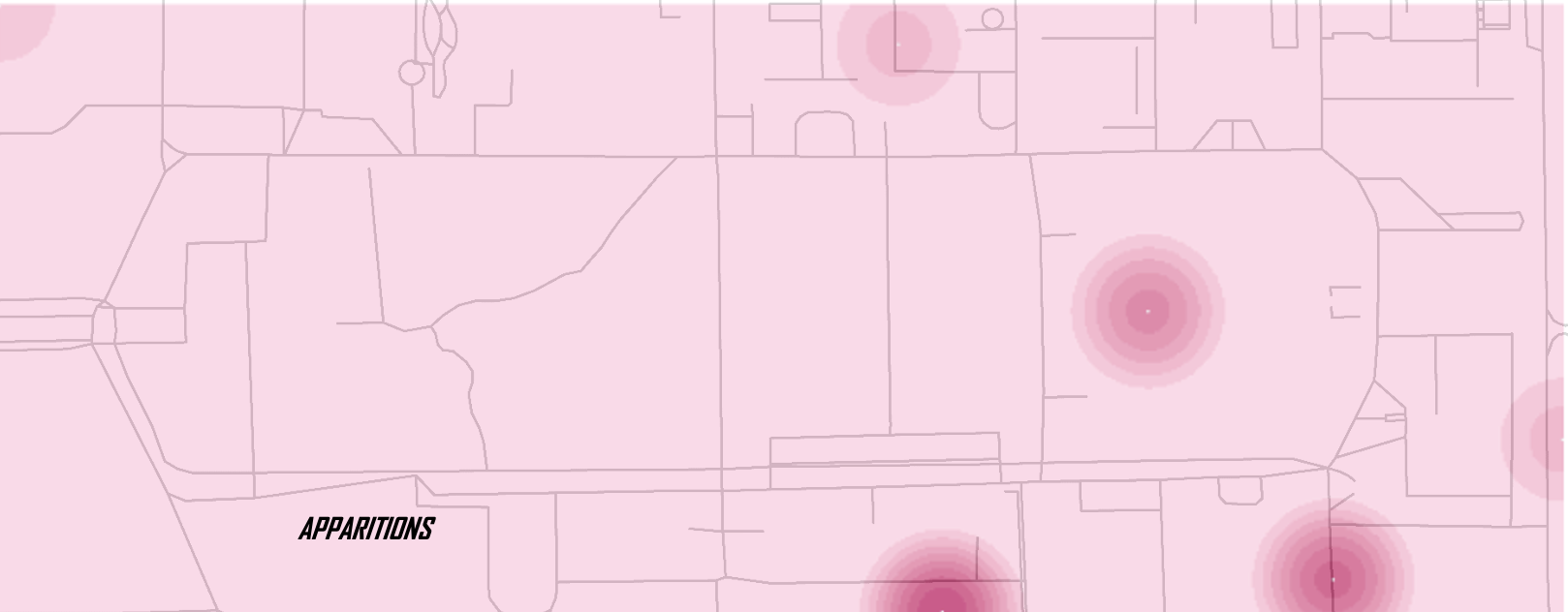
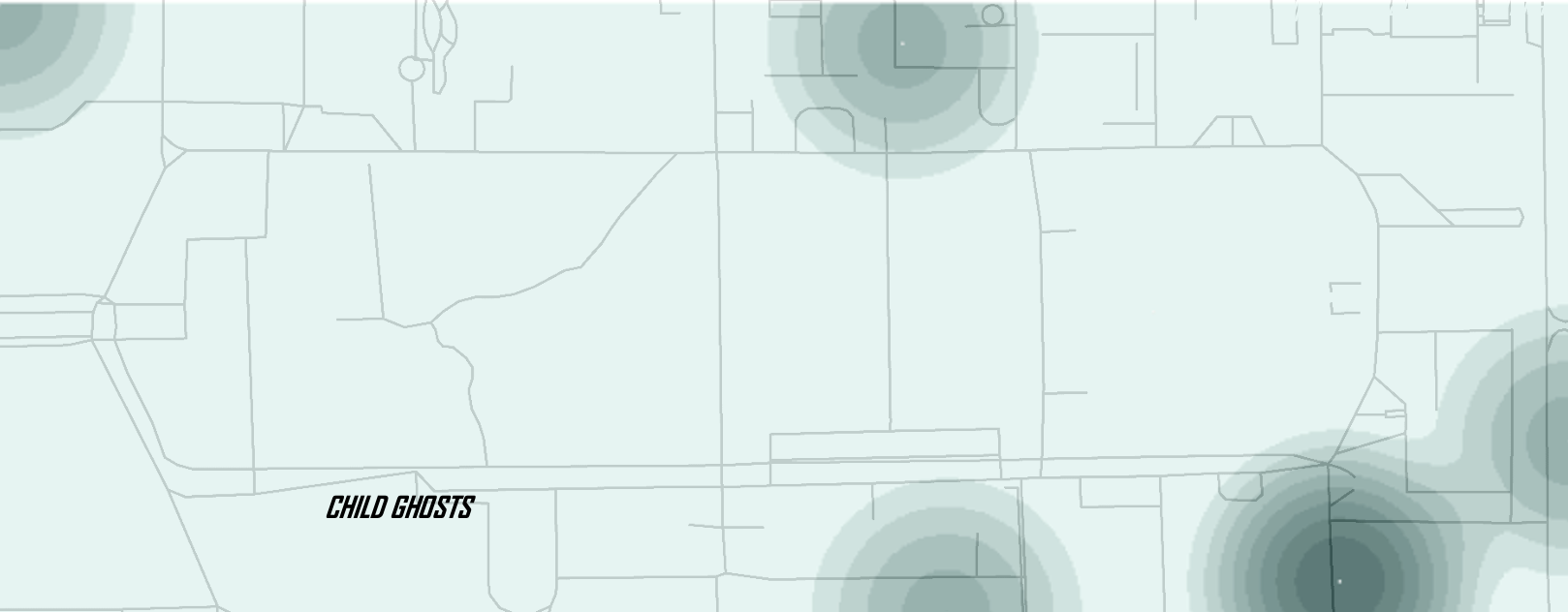
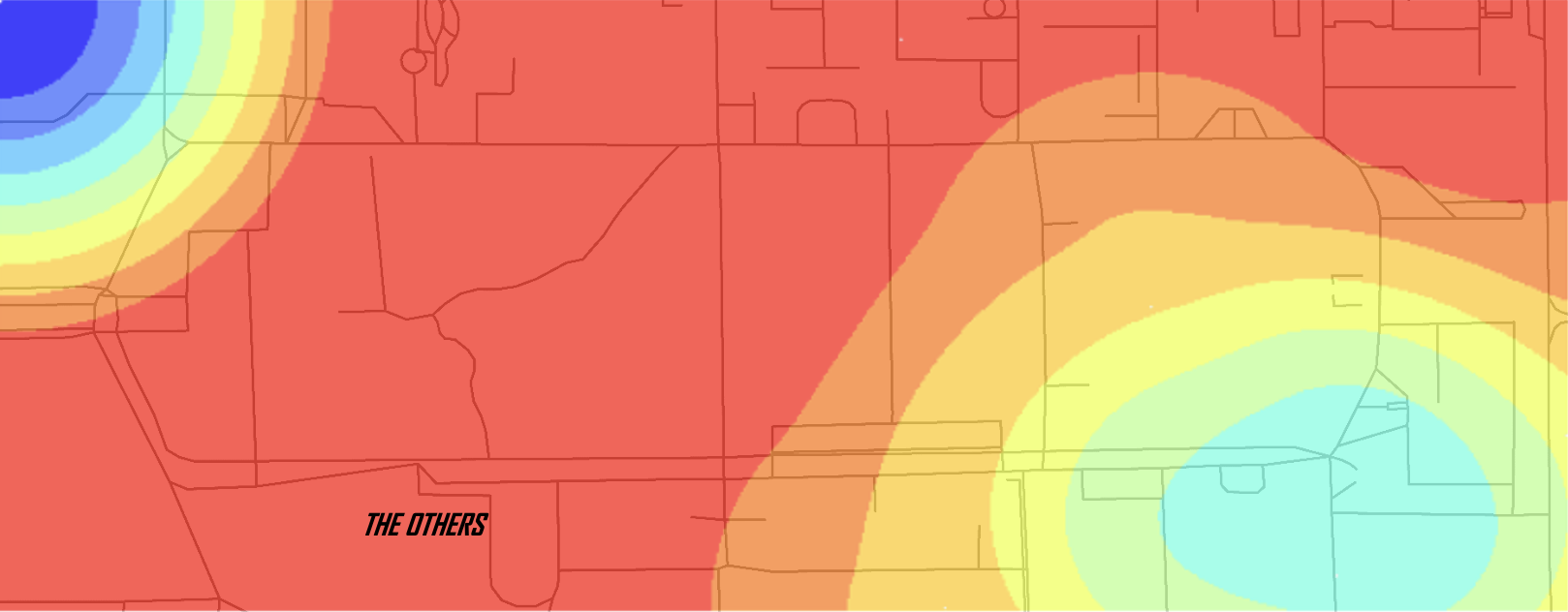
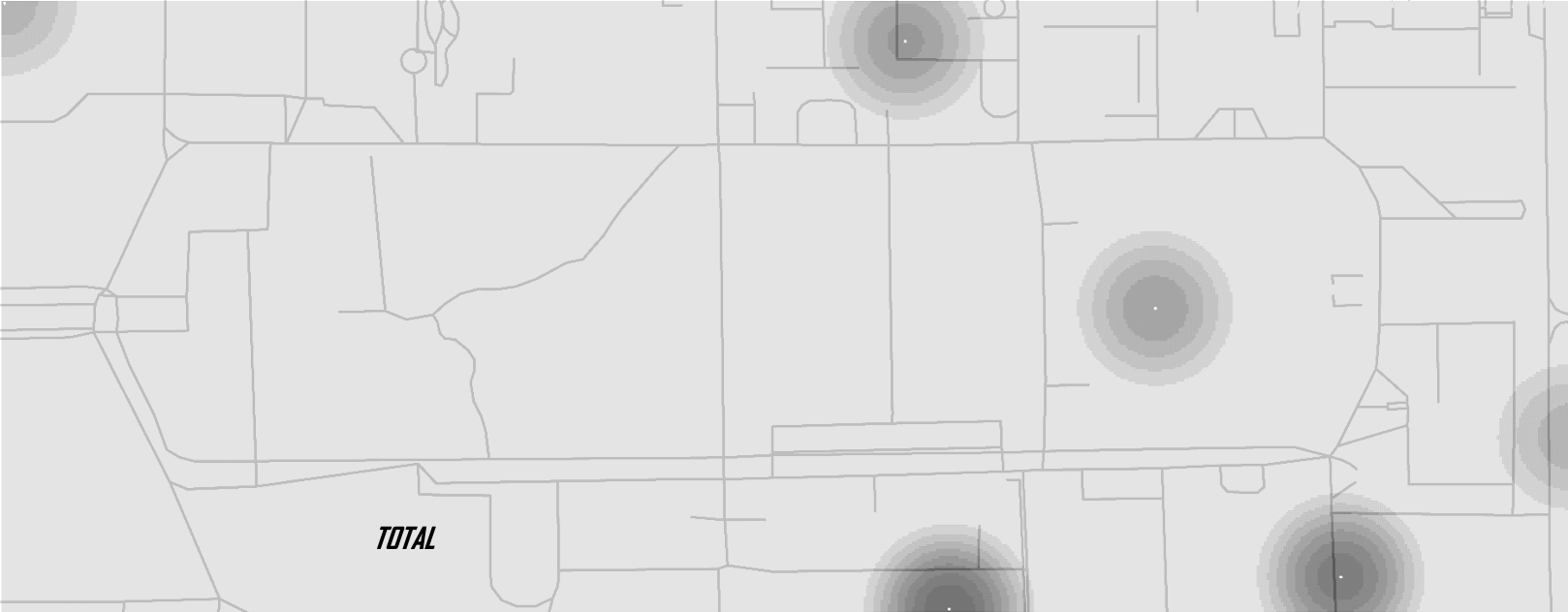
The data were interpreted using kernel density mapping to create a hotspot or heat map, and which by extension also doubles as a spectral presence.
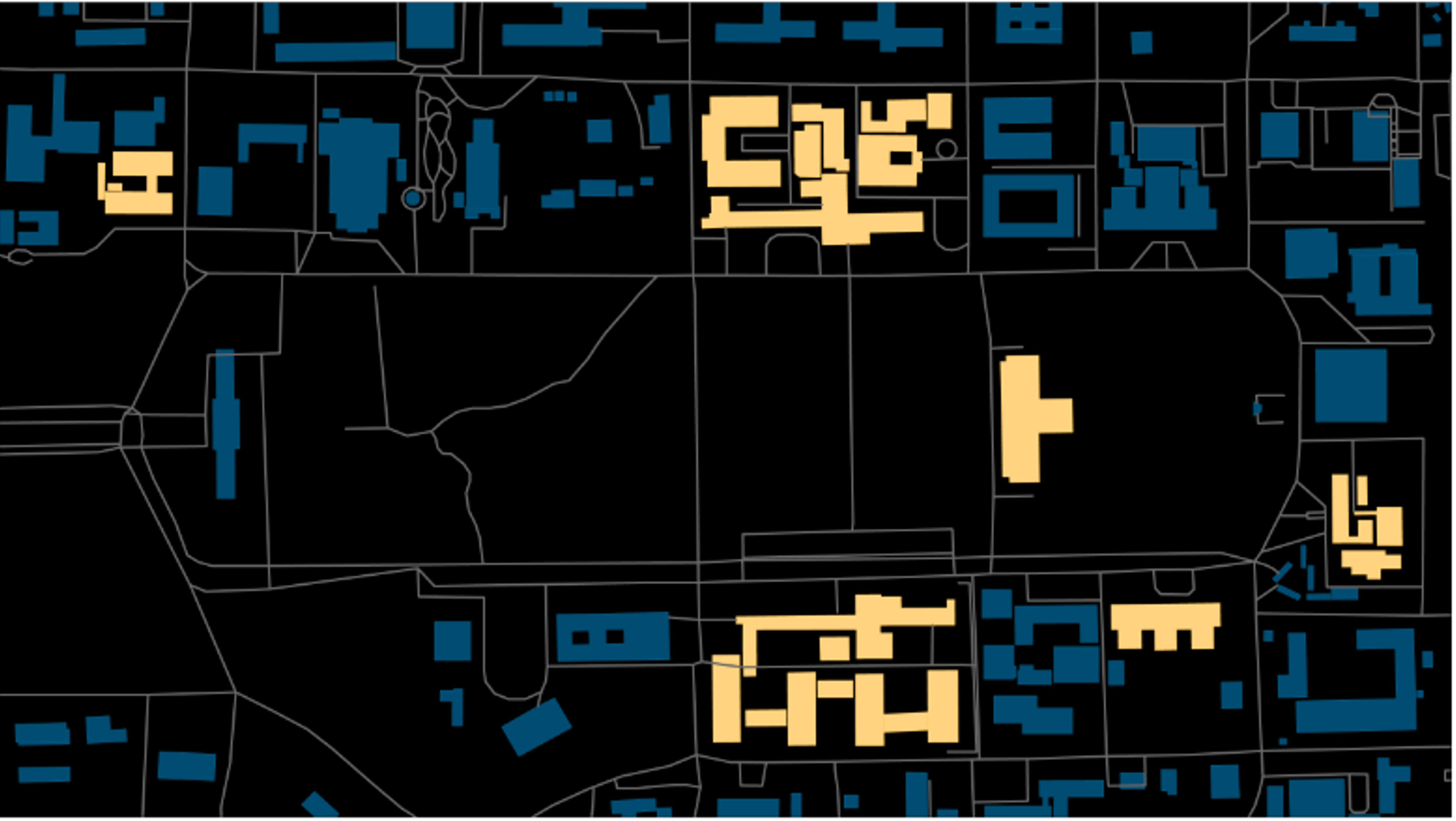
Four maps were developed to show the frequency of occurrence of these sightings: apparition, white ladies, child ghosts, and others. In the “other’ categories, these include: aswang, tiktik, tikbalang and assorted other creatures that folklorist Maximo Ramos labeled as those belonging to the ‘lower mythology’ (1968).
Our own search for academic answers to explain these forms of spectrality led us to a dissection of these supernatural creatures: these creatures are classified as belonging in the “lower mythology” (Ramos, 1968); the Spanish occupiers’ perpetuation of the notion of the aswang to discredit the power and influence of the local shamans and babaylans (de Jesus, 2004), and the local understanding of mari-it in the Visayas due to the presence of environmental spirits (Magos, 1997). Kathleen Nadeau claims that the roots of these spectral and otherworldly beliefs in the country can be traced to Indo-Southeast Asian “witchlore” (Nadeau, 2011).
…
In the studies of ‘dark geographies’, words like ‘gloomy’, ‘spooky’, and ‘creepy’ were used to characterize not only the place but what these descriptions occupy in the realm of the imagination as well as in the scientific and Cartesian understanding of haunted places.
Geographer Kate Shipley Coddington explained what haunting is
[It is] an analytic that illuminates specific aspects of social life: aspects Spectral geographies which appear to be not there, concealed yet important; aspects which seethe, acting on or meddling with present-day realities in a violent or disturbed manner; and finally, aspects that by seething, unsettle taken-for-granted realities (2011, 747-748).
Coddington’s definition hews closer to the spectral presence of colonialism in the imaginaries of native Alaskans, but we can also extend that frame of analysis to question the siginifcation of stories carried by white ladies, apparitions and child ghosts that colonized the imagination of UP constituency. Were they marginalized mortals who remind people of their abjection now that they are in another realm? Or did they represent the penchant of people to create worlds inhabited by non-mortals?
For what these maps represent, digging for much fuller stories need to be further explored and documented. For the inaugural offerings of maps for the Pagmamapa sa Kapuluan project from OICA, we offer these snapshots.
Joseph Palis, Fernand Francis Hermoso, Dominique Amorsolo
31 October 2023
References
Coddington, K.S. (2011). Spectral geographies: haunting and everyday state practices in colonial and present-day Alaska, Social and Cultural Geography, 12(7), 743-756.
De Jesus, M.L. (2004). Of Monsters and Mothers: Filipitia American Identity and Maternal Legacies in Lynda J. Barry’s “One Hundred Demons”, Meridians, 5(1), 1-26.
Magos, A.P. (1994). The Concept of Mari-it in Panaynon Maritime Worldview. In Iwao Ushijima and Cynthia Neri Zayas. (Eds.). Fishers of the Visayas, Visayas Maritime Anthropological Studies. Quezon City: University of the Philippines Press.
Nadeau, K. (2011). Aswang and Other Kinds of Witches: A Comparative Analysis, The Philippine Quarterly of Culture & Society, 39(3/4), 250-266
Ramos, M. (1968). Belief in Ghouls in Contemporary Philippine Society, Western Folklore, 27(3), 184-190.
 Geonarratives PH
Leave a comment