How do scientists survey the number of birds in a given area?
In a highly cited paper by Ben Vallejo, Alexander Aloy and Perry Ong (2009) on bird mapping, they employed several approaches and methodologies in mapping urban birds in Metro Manila. One approach involved a lot of fast-paced walking:
We conducted the surveys by walking a random route pattern in wooded and open spaces while following road pavements in the residential site. Birds were observed continuously through a fast-paced walk while taking note of species, frequencies of sighting, general bird movement and behavior across the route was recorded in standardized data sheets. The fast pace of walking survey reduces the chances of double or multiple counts of an individual while covering the entire perimeter of the plot…
(2009, p. 76)
Cartographer and avid bird-watcher Jon Villasper mapped birds from multiple scales using a variety of tools for several years. In visualising the migratory great crested tern (Thalasseus bergii) for the Philippine archipelago, he plotted the birds’ breeding and roosting spaces (Map 1). The seabirds prefer islands as habitats.
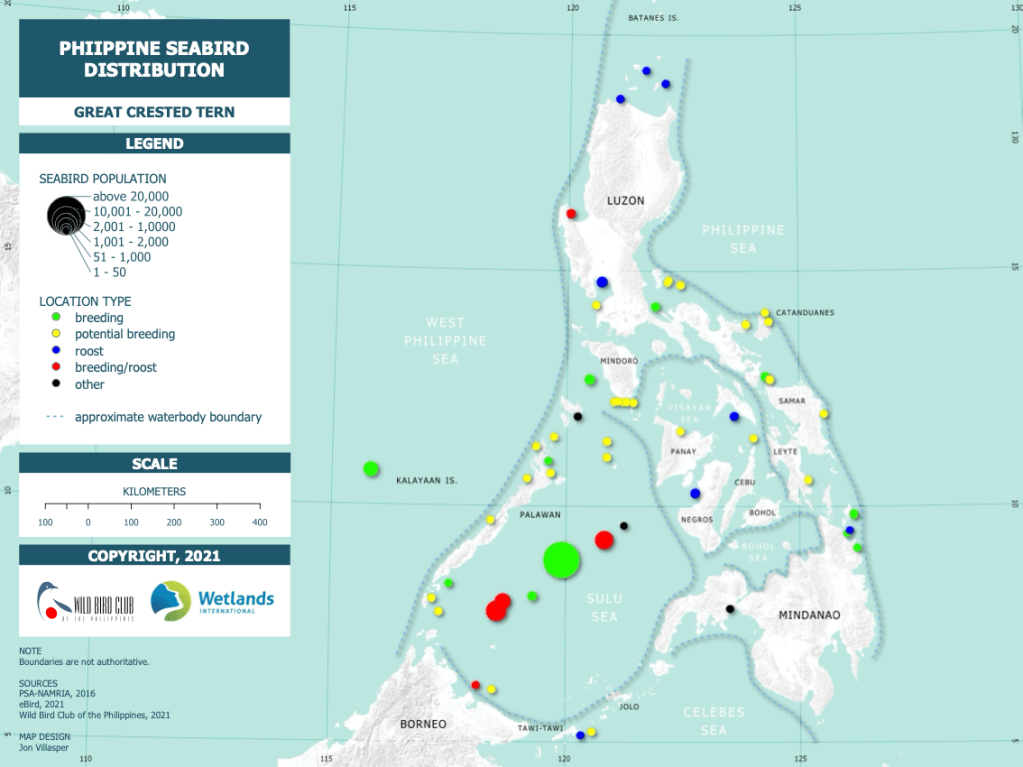
Map 1: The roosting and breeding spaces of the great crested bird in the Philippines, 2021, JM Villasper.
Using data from the National Mapping and Resource Information Authority (NAMRIA), ebird, and the Wild Bird Club of the Philippines, the various sources range from a national agency “mandated to provide the public with mapmaking services and to act as the central mapping agency, depository, and distribution facility for natural resources data in the form of maps, charts, texts, and statistics”, to an online agency such as ebird (based in Cornell University) where citizen science is strong. Jon is also an advocate of predictive mapping where species distribution mapping need not be too technical and can still rely on expert knowledge.
In one map challenge where mapmakers are enjoined to create a map per day for 30 days, Jon created a cartographic geovisualization of 3 varieties of fruit doves belonging to the Ptilinopus genus: flame-breasted, cream-bellied, and yellow-breasted. Locally known as punay, Jon’s fascination for these birds stems from their size and bright plumage: “they are enormous and very colorful birds” (Map 2).
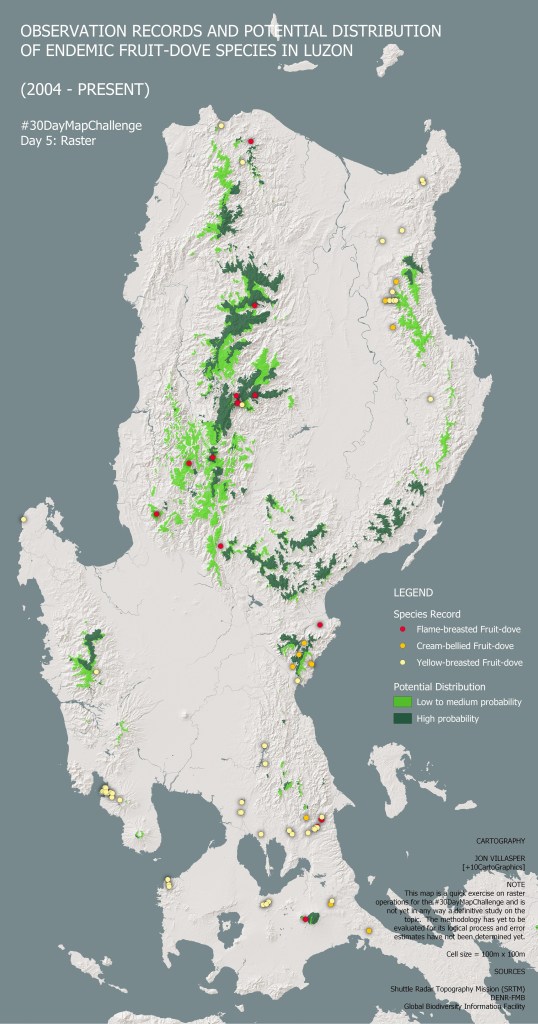
Map 2: Endemic fruit-doves in Luzon. JM Villasper.
Jon’s interest in birds led him to artfully imagine them through hand drawn illustration. Creating the Jinx Birder Design as a creative outlet, Jon has drawn and illustrated several Philippine birds, one of which is the flame-breasted fruit-dove (Image 1) which is the subject of the his map above.

Image 1: Drawing of a flame-breasted fruit-dove. JM Villasper.
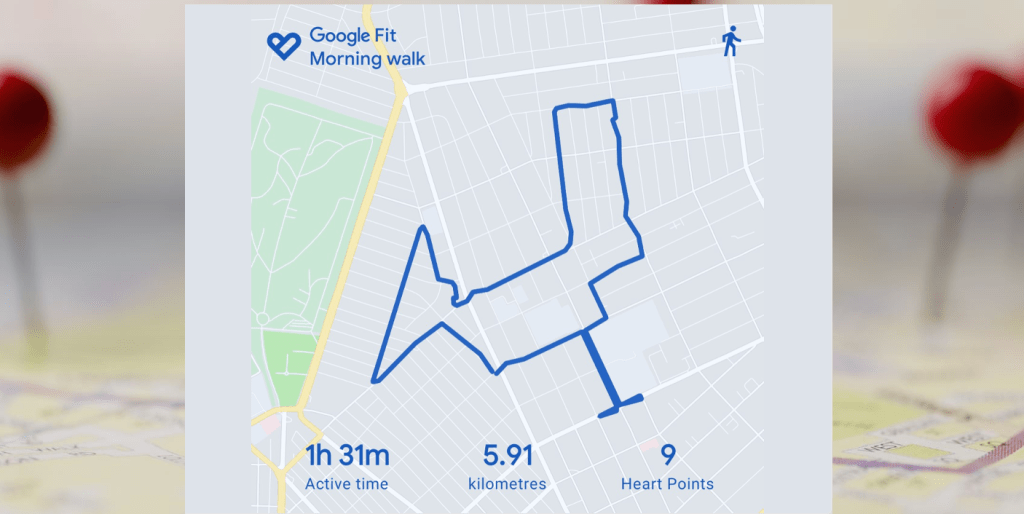
These bird maps and bird drawings were a life-long passion for Jon who also taught digital cartography and map design at the UP Department of Geography in previous years, as well as one of the founders of the Wild Bird Club in the Philippines in 2003. During the height of the pandemic in 2021, he and his wife Cherie, created what was called ‘street map arts’ where their walking routes produce pictures of various animals. Unsurprisingly one of these animals is that of a bird (Image 2).
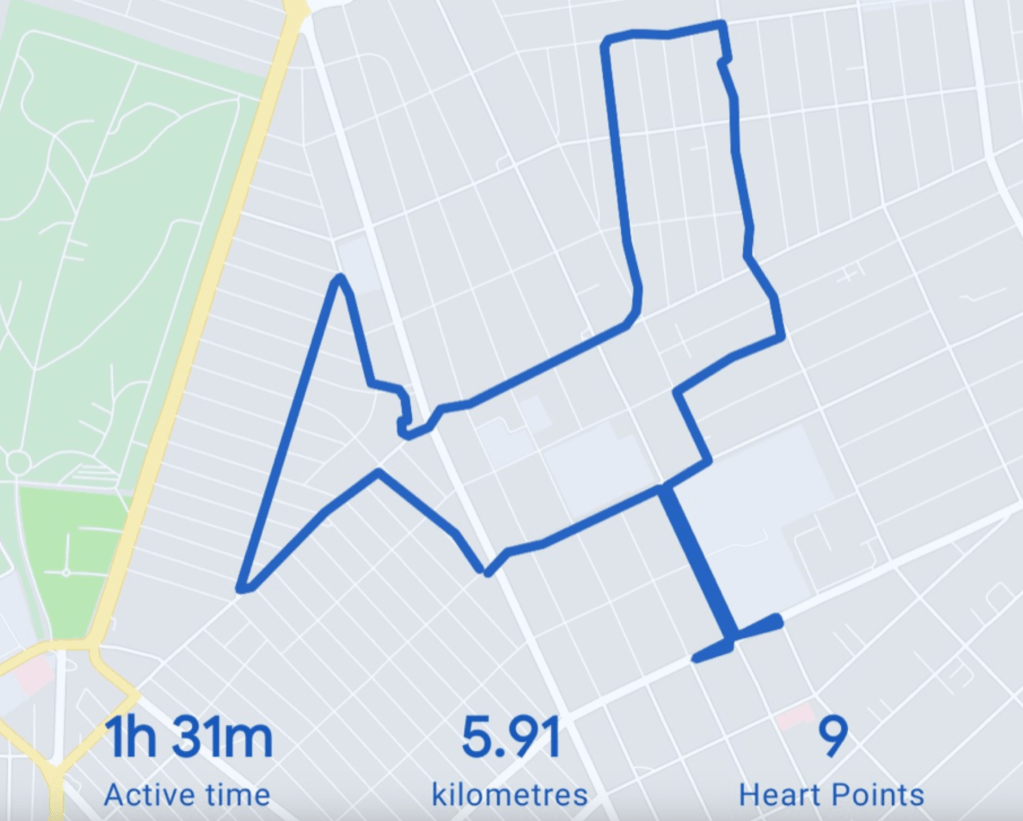
Image 2: Bird walk route, screen-grabbed from JM Villasper’s Facebook page.
His street map arts were featured in Pinoy Tourist in the 15 July 2021 issue. Asked by the writer how this mapping came to be, Jon answered: “Open the google map, see the place you want to travel around in, draw a shape that would fit into your walking or biking route and do a screenshot of the map art, then follow the route. Just make sure you have the Google Fit app and turn it on when you start your activity.”
Bird maps are like geovisualised sound bites: a map image opens up new sonic vistas that further expand bird research and exploration.
JS Palis & JM Villasper
30 November 2023
References
 Geonarratives PH
Leave a comment