Through the years, the UP Department of Geography has produced and collected maps and other cartographic works in cartography and geography courses, and in other extension- related community-based undertakings. The maps are not only communicative tools that aid in enabling the visibility of stories from various landscapes (physical, social, imaginative), these maps also illuminate power relations that exist between individuals, institutions and other collectives through narratives and stories. Most of these maps are stored in multiple repositories (various websites, cartography library, reports) in analogue and digital formats. Some of the physical maps are in poor condition that need to be digitized inorder to present them (and the contexts when these maps are created and produced) in clearer and better resolutions. In celebration of the 40th anniversary of the UP Department of Geography (1983-2023), the present project aims to gather and collate the extant maps as evidence-based narratives how the Department changed through the years. The changes not only reflect the shift from paper (vellum) to GIS-based online maps but also document the various approaches and map-making practices that assist in telling a more complete history of Geography as a discipline in the Philippine archipelago. The present project simultaneously taps into the preservation of maps that encapsulate data and information of a given place and situation in a website, but also in providing an ‘emotional turn’ in cartography that considers the role of affect the creation of these cartographic representations. Maps are, after all, representations of subjective realities even if they are conventionally regarded as ‘objective and neutral’.
The proposed project aims (1) to gather the maps produced by the Department of Geography and collectively feature them in a website devoted towards showcasing cartographic works by faculty and students. These maps are (2) to be curated to spotlight the stories and narratives stemming from the visible information produced by the map, but more importantly to also tell the stories of various map-making practices and the contexts where and when the maps were created and produced. Consistent with the popularization of various map stories and the map-making practices, the website is hoped to be of use in geography classes for pedagogical and research purposes. These maps will likewise be featured and curated in various social media and online platforms of the Department of Geography to increase their visibility to K-12, intermediate and collegiate students to widen, augment and enhance their knowledge on geography as a discipline, and in cartography as a field of interest.”
– J Palis; Excerpted from OICA proposal
-
The spooky
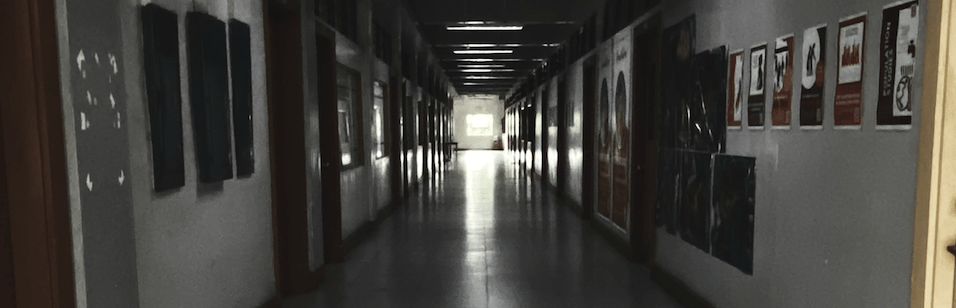
With November comes ‘All saints day’ and ‘All souls’ day’ — declared holidays to allow Filipinos to properly pay respect to their dead. The mass exodus of Filipinos to their provincial homes at this time of the year created a semi-deserted city in the metropolis. Commercial stores are festooned with ornaments that borrow from the… Read more
 Geonarratives PH